

“Tropical, juicy, and irresistibly sweet—mangoes are the crown jewel of summer fruits. But are they too sweet for your health?”
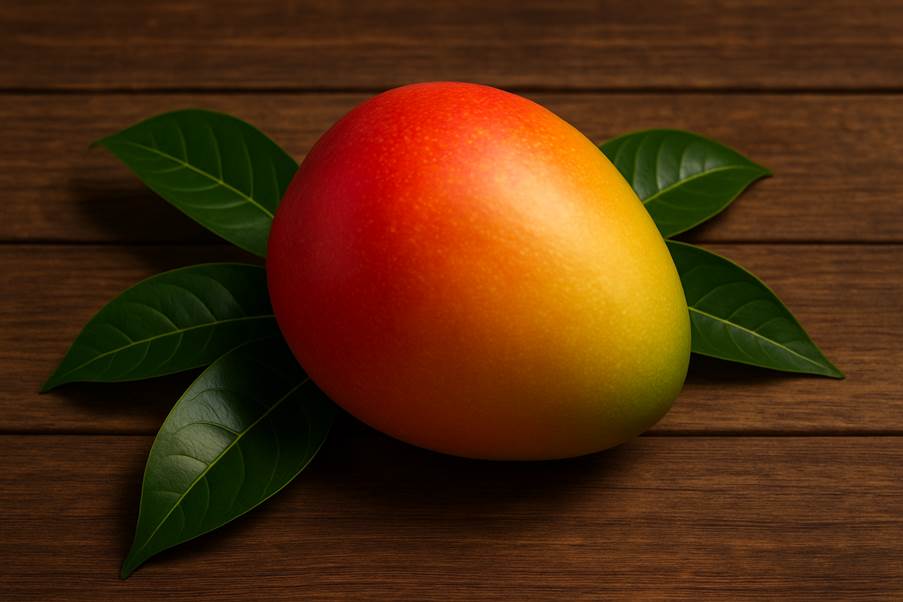
Whether you’re a fruit lover, a weight watcher, or a parent planning nutritious meals for your kids, mango often sparks curiosity. From questions like “Is mango high in sugar?” to its role in weight loss, skin health, and immunity, the King of Fruits holds more than just flavor.
In this deep dive, we explore mango’s nutrition profile, health benefits, potential downsides, and expert-recommended tips to include mango in your daily diet. 🌿
🟡 1. Is Mango High in Sugar?
Let’s address the most common question upfront:
Yes, mango is relatively high in natural sugar, but context matters.
🍬 Sugar Content in Mango (per 100g):
| Nutrient | Amount |
| Total Sugars | 13.7g |
| Calories | 60 kcal |
| Glycemic Index | ~51 (moderate) |
Compare this to other fruits:
- Banana: 12g sugar per 100g
- Apple: 10g sugar per 100g
- Grapes: 15g sugar per 100g
➡️ Takeaway: Mango sits in the middle range. Its sugar is natural fructose and is paired with fiber, vitamins, and antioxidants—making it much healthier than processed sweets.
🟢 2. How Many Calories in a Mango?
A typical medium-sized mango (~200g) has approximately:
- 120–135 calories
- 27g natural sugar
- 3g fiber
- 0.6g fat
While mango is calorie-dense compared to berries or citrus fruits, it is still low in fat and contains no cholesterol.
➡️ Pro Tip: Pair it with a protein or healthy fat (like almonds or Greek yogurt) to balance blood sugar levels.
🥗 3. Mango Diet Plan for Weight Loss
Surprised? Mango can help with weight loss if eaten smartly.
✅ How to Include Mango in a Diet Plan:
| Time | Meal Suggestion | Benefits |
| Morning | Mango chia smoothie | Boosts metabolism, fiber-rich |
| Pre-workout | Sliced mango with mint | Instant energy + hydration |
| Lunch | Quinoa mango salad | Satiety, vitamins |
| Snack | Mango cubes with a pinch of chili | Metabolism booster |
⚠️ Tips to Avoid Weight Gain:
- Limit portion to 1/2 to 1 cup per day
- Avoid canned or sweetened mango pulp
- Don’t mix with sugary desserts
🔢 4. How Much Mango Should I Eat a Day?
For a healthy adult:
- 100–150g (about ½ mango) is a safe and nutritious portion.
For Different Needs:
- Diabetics: Limit to small portions (~50g) with protein.
- Kids: ½ cup of diced mango is great.
- Athletes: Can consume more due to higher energy needs.
➡️ Balance is Key: Mango is nutrient-rich but moderation helps avoid sugar overload.
✨ 5. Mango Recipes for Glowing Skin
Mango is loaded with vitamin C, beta-carotene, and antioxidants, which improve skin elasticity, reduce acne, and give you a natural glow.
🥭 Glowing Skin Recipes:
- Mango Turmeric Smoothie
- Ingredients: Mango, turmeric, almond milk, chia seeds
- Benefits: Anti-inflammatory + collagen support
- Mango-Honey Face Mask
- Mix 2 tbsp mango pulp + 1 tsp honey
- Apply on face for 10–15 mins
- Rinse with cold water
(DIY that works!)
- Mango-Cucumber Detox Water
- Hydrating + rich in antioxidants
🛡️ 6. Does Mango Increase Immunity?
Absolutely! Mango contains:
- Vitamin C (44mg/100g) → Boosts white blood cells
- Vitamin A → Strengthens respiratory immunity
- Polyphenols & Mangiferin → Antioxidant properties
These compounds help fight inflammation, bacteria, and oxidative stress.
💡 Did You Know? Mangiferin, found in mango seed and skin, is being studied for its antiviral and immune-modulating effects.
👶 7. Mango Nutrition for Kids
Mango is a superfruit for growing children.
Key Benefits:
- Brain Boost: B vitamins and folate
- Bone Strength: Vitamin K + magnesium
- Healthy Vision: Beta-carotene and Vitamin A
Kid-Friendly Mango Ideas:
- Mango yogurt popsicles 🍦
- Mango oatmeal breakfast 🍲
- Mango puree for toddlers 👶
“As a parent, I started blending mango with oats and yogurt for my toddler. It became a favorite—and a hidden source of fiber and vitamins!” — Personal Tip
📈 Mango vs Other Tropical Fruits
| Fruit | Sugar (g) | Vitamin C (mg) | Antioxidants | Immunity Boost |
| Mango | 13.7 | 44 | High (Mangiferin) | ✅ |
| Pineapple | 10 | 47 | Medium | ✅ |
| Papaya | 5.9 | 60 | High | ✅ |
| Banana | 12 | 8.7 | Low | ❌ |
➡️ Verdict: Mango is not the lowest in sugar, but it offers better antioxidant and vitamin synergy.
🌿 Mango and Digestion
Thanks to its enzymes (like amylase) and fiber content, mango aids in:
- Digesting carbs
- Preventing constipation
- Promoting gut health
💡 Mango peel contains pectin, a fiber that helps in forming stool and nurturing healthy gut bacteria.
📚 Backed by Research
- A 2020 study in Nutrients found mango polyphenols reduce inflammatory markers in obese adults.
- The Journal of Food Science highlights mangiferin’s role in reducing oxidative stress.
Explore more at Harvard Nutrition Source and NCBI Mango Research
📣 Final Thoughts
Mango isn’t just a delicious summer indulgence—it’s a nutritional powerhouse when consumed wisely.
Whether you’re managing weight, boosting immunity, or planning healthy meals for your kids, mango can fit beautifully into your lifestyle.
✅ Have a mango recipe or skin-care tip? Share it below!
💬 Got a question like “Is mango high in sugar for diabetics?” Drop a comment and let’s talk nutrition!
🔔 Subscribe for weekly health hacks, fruity facts, and delicious recipes.
